
A useful group observation describes the shared experience and makes each child’s participation visible. Children can take part in the same activity while exploring different ideas, using different skills or needing different support. The observation becomes more meaningful when educators notice those differences and use them to decide what to do next.
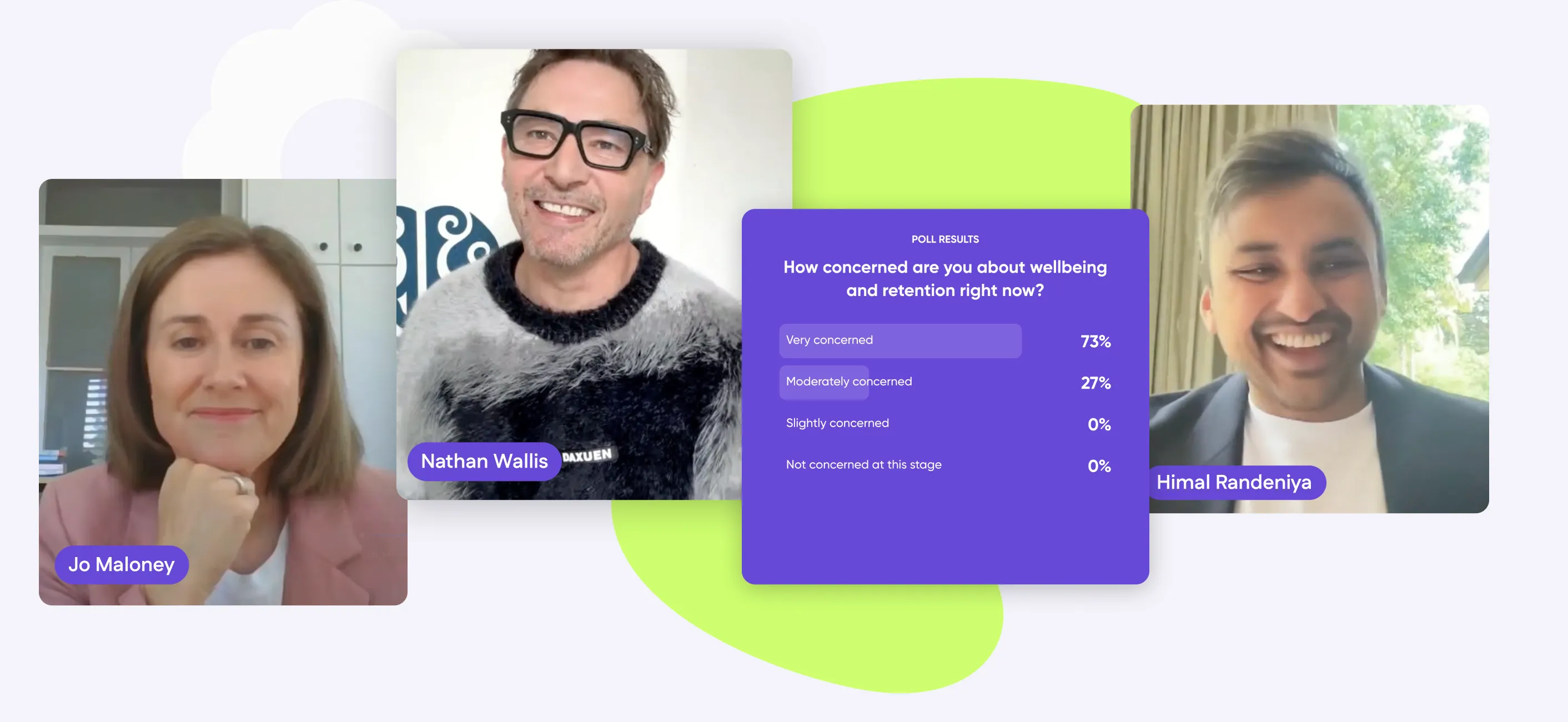
This question emerged in the Q&A of Mana’s historical 2025 Is it time to reflect on your cycle of planning? webinar with the Australian Childcare Alliance. Nesha Hutchinson joined Jen Popham and Sithmi Rajapaksa for a discussion about the practice behind documentation, including how to recognise individual learning within a group.
The session offers a useful starting point for educational leaders reviewing group observations with their teams.
A shared activity does not mean identical learning
Sithmi used playdough as an example. The same experience might support one child’s exploration of numeracy, another child’s fine motor skills and another child’s social participation. What mattered was the educator’s intention for each child and what they noticed happening.
The discussion also explored the limitation of a group photograph tagged with every child’s name simply to mark an observation as completed. An account that says everyone enjoyed dancing does not explain much about the particular children involved.
Neither example requires educators to turn every shared experience into a long story for every child. They invite a more focused question: what do we know about this child’s learning because we were there, listening and participating?
Begin with the detail you actually noticed
Earlier in the webinar, Sithmi described observation as looking, listening and considering the thinking behind children’s actions. She included children’s voices, family contributions and simple jottings as ways to build understanding.
For a group experience, a leader could help an educator move from a general statement towards a particular moment. What did a child say? What did they try more than once? How did they respond to another child or to the educator’s involvement?
Keep the distinction between observation and interpretation clear. You may be exploring what an action means, rather than already knowing. A brief record can hold both the detail and a question to return to.
For example, “Several children used the playdough” describes the setting. A note about one child making three pieces, comparing their sizes and explaining a choice gives the educator something more specific to consider. This is an illustrative example, not a child record from the webinar.
Connect the observation with a teaching decision
The webinar moved through observing, assessing, planning, implementing and evaluating. Sithmi described assessment as making meaning from what has been noticed, and planning as deciding intentionally how to support the child.
That connection is useful when reviewing a group record. If the observation says something different about each child, does the planning reflect that difference? Or does everyone receive the same next activity because they were in the original group?
A group-observation example
The following fictional example develops the webinar’s playdough discussion. The children, words and actions are invented for reflection. It is not a child record or a transcript of the session.
Shared context: Ari and Tui are using dough, bowls and cutters at the same table.
Ari’s participation: Ari puts two pieces of dough into each of three bowls. When the educator asks about the arrangement, Ari points to each bowl and says, “Two here, two here, two here.”
Tui’s participation: Tui presses a cutter into the dough, then pulls at the dough around it. The educator models pressing down and lifting the cutter by its handle. Tui tries this and lifts out a shape.
Those notes give the educator two different things to explore. Ari is making equal collections in this moment. The educator could investigate how Ari explains or changes the arrangement. Tui is experimenting with a tool and has tried the educator’s demonstration. The educator could notice how Tui approaches it on another occasion.
Possible next steps, not yet carried out: Join Ari’s play and invite Ari to explain what could happen if another bowl is added. Give Tui time with a choice of tools, staying available to help and noticing what Tui chooses to try.
What to return to: Record what actually happens when those opportunities arise, including the adult support offered. If the children take the play in another direction, record that response and reconsider the plan. Leave the outcome open until there is something to reflect on.
The shared setting can be recorded once, while the detail about each child guides a different teaching decision. A single moment offers something to investigate. It does not establish a fixed ability or a lasting change.
Notice your contribution during the experience
Sithmi described implementation as putting plans into action, choosing teaching strategies and adjusting alongside the child. Her prompts included what educators would need, what they would do and how they would gather information along the way.
For a leader, this creates a useful coaching conversation. What did the educator contribute? Did they model language, ask a question, change the resources or give the child more time? What happened after that?
Recording the adult’s contribution makes the account more useful for a colleague. It also gives the team something concrete to reflect on beyond whether children appeared to enjoy the activity.
Return to what the experience tells you
In the evaluation discussion, Sithmi encouraged educators to consider progress, what worked, what did not and what those observations would mean for their next decision. She included conversations with colleagues and families in that reflection.
The Q&A also addressed whether every observation needs an extension. The response returned to intention and the educator’s knowledge of the child. A meaningful next step is a decision to make thoughtfully, rather than an extra activity automatically attached to every note.
You might decide to revisit a question, provide another opportunity, change your approach or gather a family’s perspective. Be clear about what you have already tried and what remains a plan.
Review one group record together
Choose a recent group observation with your team and ask:
- Can we identify what each child contributed, beyond a list of names?
- Which details support our interpretation of the learning?
- What did the educator do, and how did children respond?
- Where might children need different opportunities or support?
- What will we return to, and what information would help us decide?
The discussion can reveal a small, useful improvement without beginning with another template. In the webinar’s paper-based-service Q&A, the presenters returned to the same principle: keep the planning meaningful and connect the record with what happens in practice.
Watch the historical ACA planning webinar for the full discussion. For a broader introduction to the stages, see Mana’s EYLF planning cycle worked example.
%2520(Transparent).png)