
Professional development becomes useful in daily practice when a team decides what to apply, makes time to try it and returns to what happened. A manageable starting point is one clear change, someone to support it and a shared way to keep the learning available.
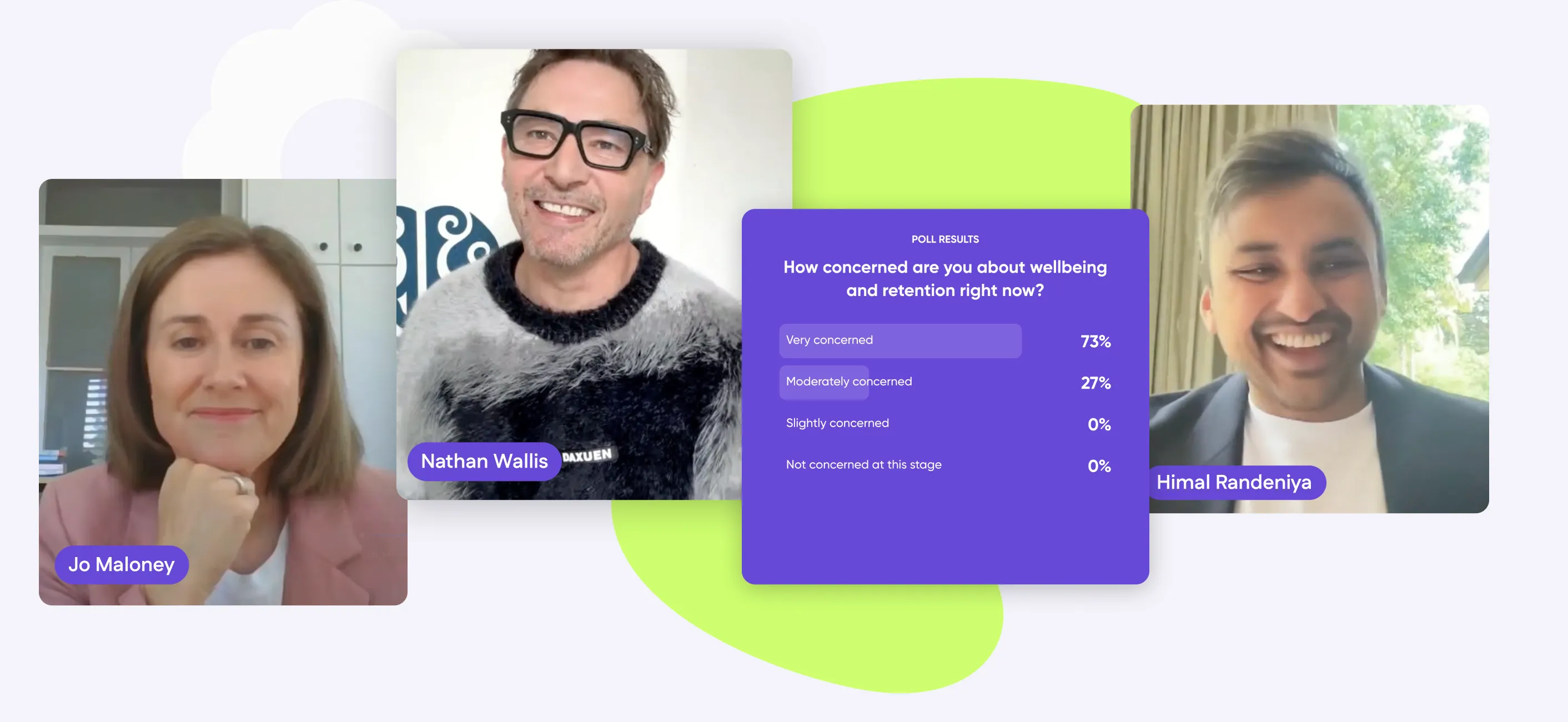
In Mana’s webinar How to Embed PD into Practice: Lessons from ‘Excellent’ Services and the Latest Research, Dr Susan Sharpe joined Hayden Rolls to explore what happens after a professional learning event ends.
Susan explained that, during her earlier work as a regulatory officer, educators could often describe valuable training they had attended. The less consistent part was what they did with it afterwards and how it continued over time. That question helped shape her research.
Decide what you want the learning to change
Susan’s research with colleagues Dorothy Andrews and Alice Brown explored knowledge transfer in Australian services with an Excellent rating. The qualitative study used interviews, observations and document analysis to examine how learning was applied. It offers practice insights from those settings, rather than a guarantee that adopting a particular process will produce a rating or outcome. Read the research paper.
In the webinar, Susan connected that work to a clear vision for professional learning. What does the service want to improve? What matters to its children, families and educators? Which knowledge would help?
These questions give a team a reason to choose a learning opportunity. They also provide something to return to when a session offers more ideas than anyone can put into action at once.
Susan encouraged educators to identify the most important shift they wanted to make. Her advice was to choose something manageable rather than assume that every useful idea required immediate implementation.
Make sense of the idea together
A compelling example from another service still needs to be understood in your own context. Susan repeatedly emphasised that an approach which works well in one setting may need adapting in another.
She described the importance of a team discussing the learning, agreeing on priorities and considering what it could look like locally. This connects a new idea with existing practice, resources and responsibilities.
For example, after professional learning about listening to children, the team could choose one familiar routine, discuss what attentive listening would look like there and decide what it wants to notice during the next week.
The useful step is moving from a broad intention to something educators can recognise and try.
Give people support to put it into practice
Susan used the term implementation support practitioner for someone who helps another person turn learning into action. She clarified that this need not be a new job title or a subject expert.
It might be an educational leader, an adviser or a colleague who listens well and helps make an idea manageable. The role is to support thinking and progress, rather than take over the task or assume all the answers sit with one person.
She also described examples of educators supporting one another through complementary strengths. The intention was respectful collaboration, rather than labelling one person capable and another deficient.
For leaders, consider whether the support is practical as well as nominal. Do the people involved know what they are helping each other with? Is there an opportunity to talk? What can be adjusted if the original plan proves too large?
Keep the team's agreements accessible
Notes from a useful session can remain in an individual notebook long after the event. Susan contrasted this with creating a shared place where a team can revisit what it has agreed to do.
She called these places knowledge reservoirs. The important feature was not a particular tool. It was that the relevant learning, its local meaning and examples of practice were available to people who needed them.
In the webinar, she described keeping these resources simple, accessible and maintained. Knowledge may need updating or replacing as practice and evidence develop.
You could start with a short shared record containing the selected idea, why the team chose it, an example of what it looks like and when it will next be reviewed. This need not become a large new document for every learning event.
The question is whether an educator can find and understand the agreement when it is useful.
Plan for welcomes and goodbyes
Susan posed a direct question: what happens to the learning if the person who attended the training leaves?
She encouraged teams to consider how knowledge is shared, introduced to new colleagues and sustained within everyday practice. She also recognised that an educator moving between services brings knowledge with them.
That shifts part of the leadership task towards the arrangements around people. A learning approach is less dependent on one enthusiastic person when others understand its purpose and know how to use and review it.
For a service or group of services, induction offers a useful starting point. Which important practice agreements would a new educator encounter? Who would help explain them? How could that educator contribute relevant experience of their own?
Return to what actually happened
Susan described the excitement that can follow a strong professional learning experience. The challenge is to support the work after that initial enthusiasm.
Her discussion made room for trying, reflecting and adjusting. It also recognised that not every idea remains relevant indefinitely.
At your next team conversation, choose one recent learning opportunity and ask:
- What is the single change we want to explore?
- What would it look like in our setting?
- Who can help us put it into practice?
- Where will we keep the agreement and useful examples?
- When will we discuss what happened and decide what comes next?
Start with a scope the team can sustain, and use the review to learn rather than simply confirm that an activity was completed.