
LoveHeart archive
Cycle of planning examples from LoveHeart
These original examples show how educators arranged the stages of a learning journey in LoveHeart. The screenshots and tutorial show the earlier product.
For the current product, explore Mana Guided Journeys.
Current Mana planning downloads
Print the reference or choose a worksheet that fits your centre’s planning process. These are new Mana editions; the original LoveHeart examples below are preserved.
Download the planning-cycle reference (PDF, 1 page)
Download the six-stage worksheet (PDF, 2 pages)
The planning cycle
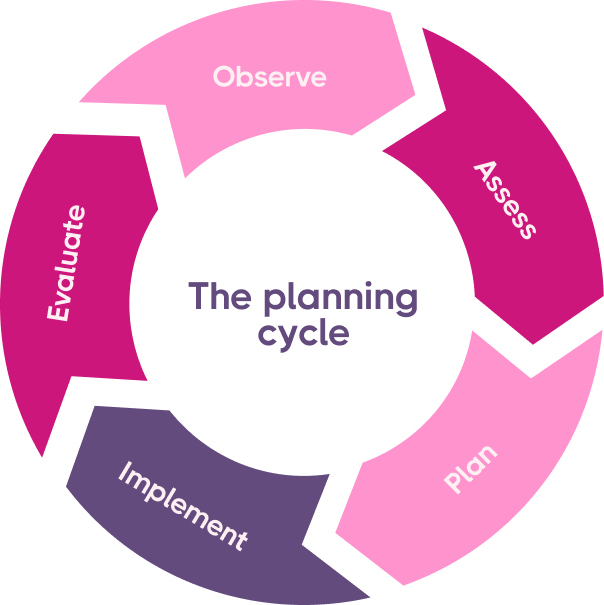
Planning example 1
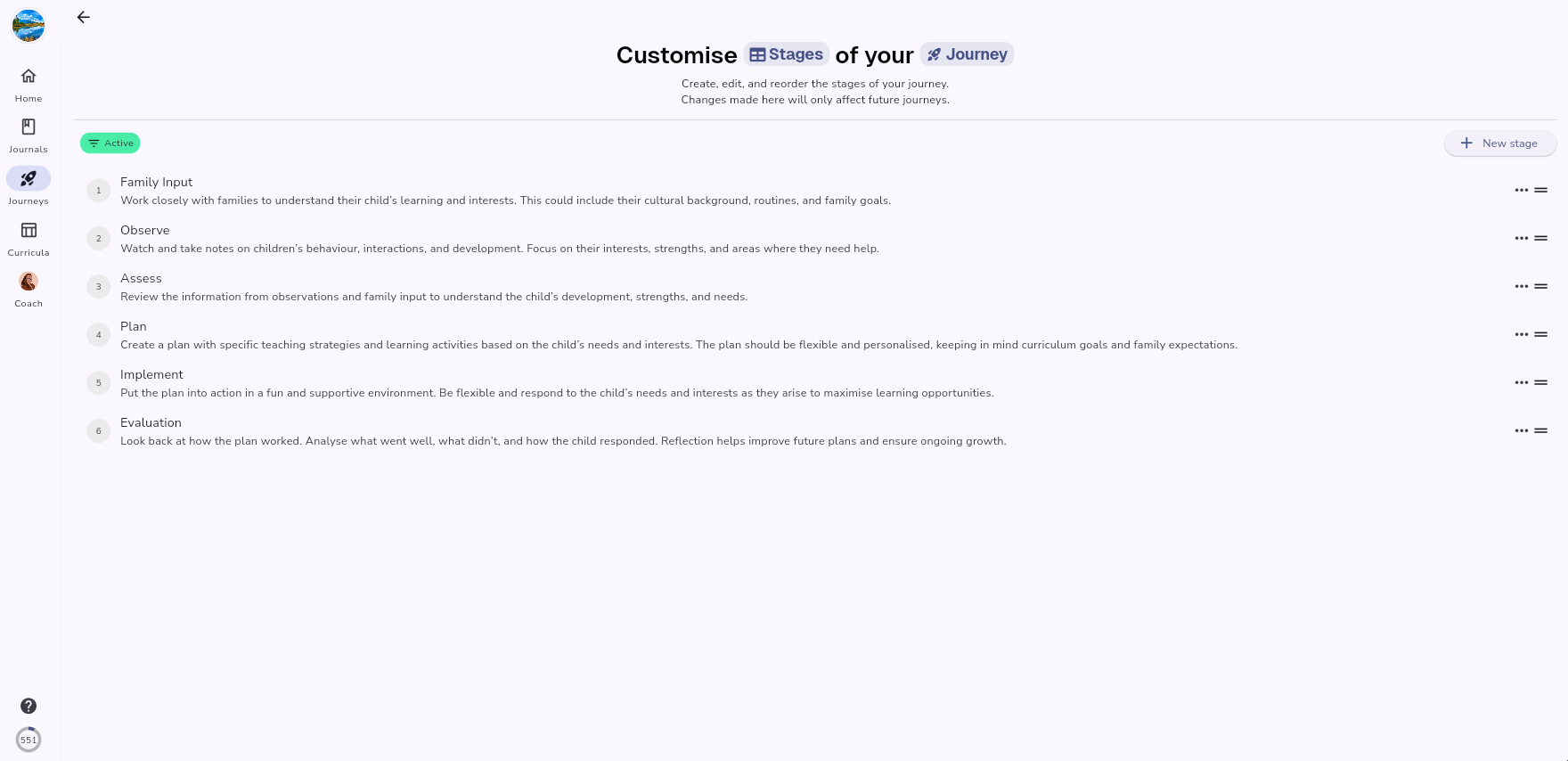
Read this example as text
- Family Input
Work closely with families to understand their child’s learning and interests. This could include their cultural background, routines, and family goals.
- Observe
Watch and take notes on children’s behaviour, interactions, and development. Focus on their interests, strengths, and areas where they need help.
- Assess
Review the information from observations and family input to understand the child’s development, strengths, and needs.
- Plan
Create a plan with specific teaching strategies and learning activities based on the child’s needs and interests. The plan should be flexible and personalised, keeping in mind curriculum goals and family expectations.
- Implement
Put the plan into action in a fun and supportive environment. Be flexible and respond to the child’s needs and interests as they arise to maximise learning opportunities.
- Evaluation
Look back at how the plan worked. Analyse what went well, what didn’t, and how the child responded. Reflection helps to improve future plans and ensure ongoing growth.
Planning example 2
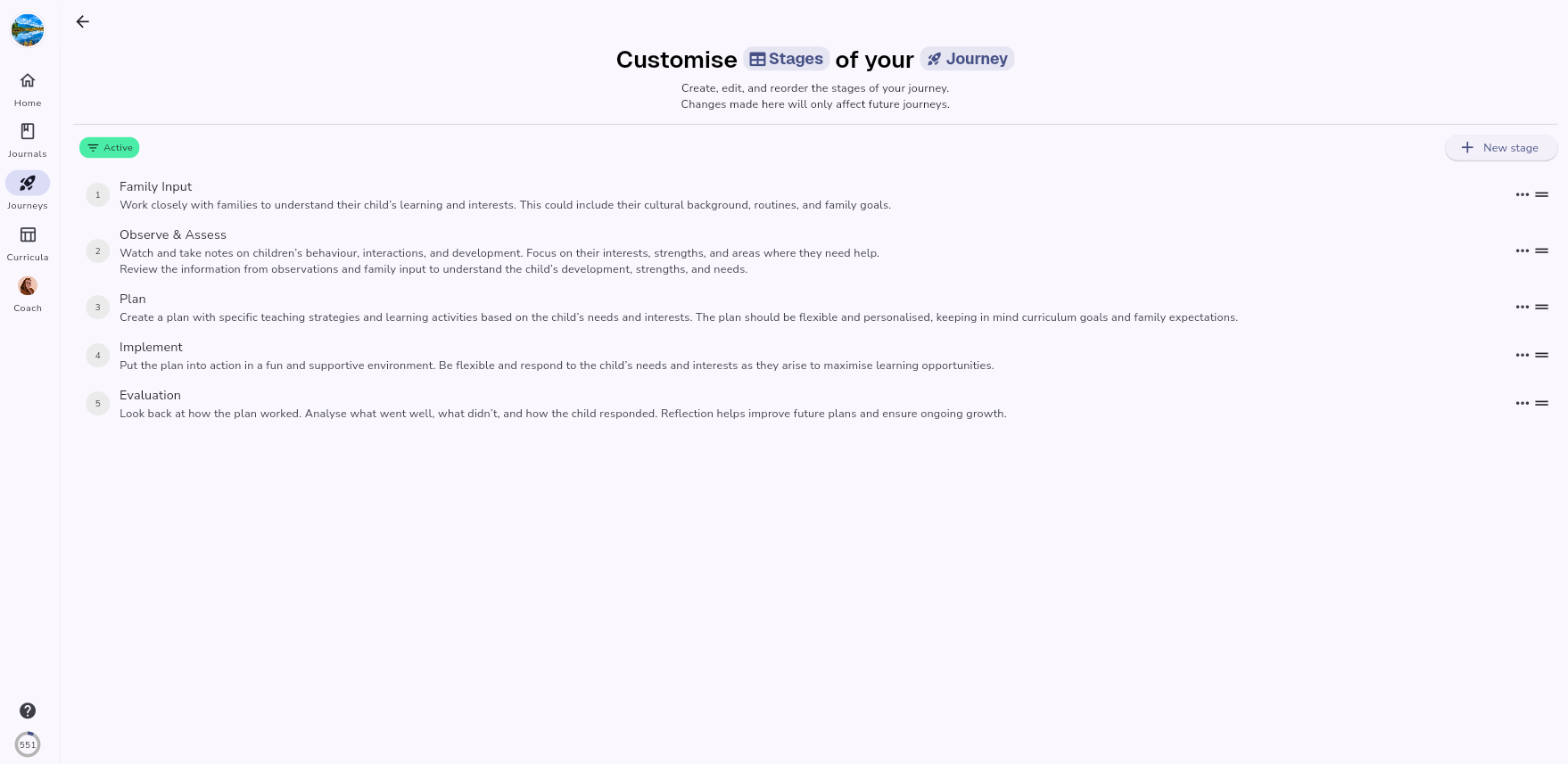
Read this example as text
- Family Input
Work closely with families to understand their child’s learning and interests. This could include their cultural background, routines, and family goals.
- Observe & Assess
Watch and take notes on children’s behaviour, interactions, and development. Focus on their interests, strengths, and areas where they need help. Review the information from observations and family input to understand the child’s development, strengths, and needs.
- Plan
Create a plan with specific teaching strategies and learning activities based on the child’s needs and interests. The plan should be flexible and personalised, keeping in mind curriculum goals and family expectations.
- Implement
Put the plan into action in a fun and supportive environment. Be flexible and respond to the child’s needs and interests as they arise to maximise learning opportunities.
- Evaluation
Look back at how the plan worked. Analyse what went well, what didn’t, and how the child responded. Reflection helps to improve future plans and ensure ongoing growth.
Planning example 3
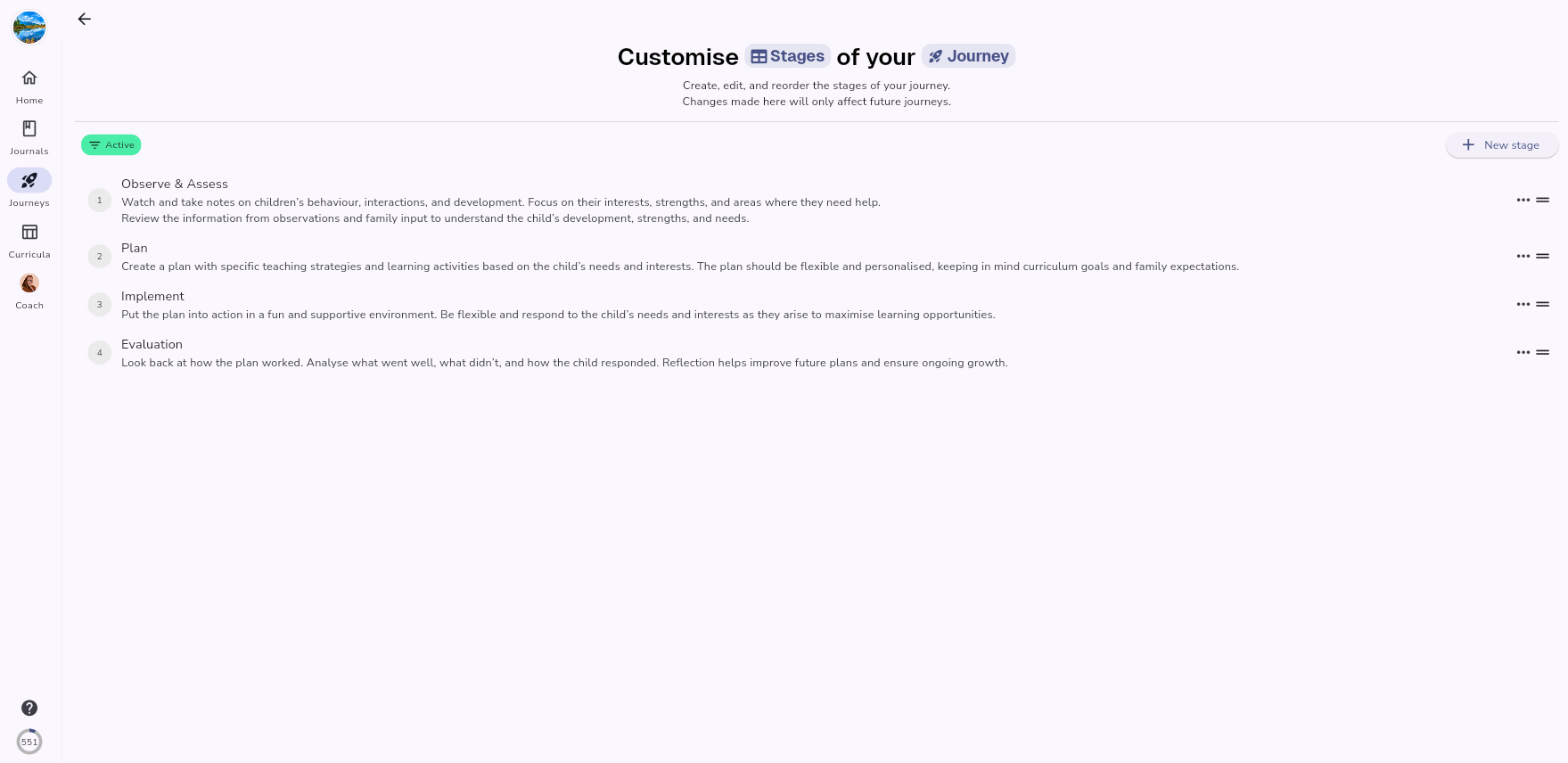
Read this example as text
- Observe & Assess
Watch and take notes on children’s behaviour, interactions, and development. Focus on their interests, strengths, and areas where they need help. Review the information from observations and family input to understand the child’s development, strengths, and needs.
- Plan
Create a plan with specific teaching strategies and learning activities based on the child’s needs and interests. The plan should be flexible and personalised, keeping in mind curriculum goals and family expectations.
- Implement
Put the plan into action in a fun and supportive environment. Be flexible and respond to the child’s needs and interests as they arise to maximise learning opportunities.
- Evaluation
Look back at how the plan worked. Analyse what went well, what didn’t, and how the child responded. Reflection helps to improve future plans and ensure ongoing growth.
Original video tutorial
Educator comments from the original page
These comments describe the earlier LoveHeart Stages feature.
I personally absolutely love STAGES as we can now stop staff from deviating from the Curriculum guidelines. It’s great that the AI understand the context of each stage and provides staff with feedback on what they are missing
LoveHeart’s Stages feature is fantastic for helping my educators identify key areas for the cycle of planning. It makes the process clearer and more intentional, ensuring that we capture what truly matters for each child’s development
Product notes from the original page
These descriptions refer to the earlier LoveHeart product.
Ready made templates
Centres can align their unique stages and processes with our ready-made templates, making setup a breeze. And, when you practice changes, you can always adjust the stages of your cycle to match.
Real-time coaching for Educators
Coach Sue provides your educators with real-time coaching to support their documentation of the cycle. If a stage is Not Started or In Progress, Coach Sue will provide your educators with helpful assistance on how they can document to meet the outcome of the stage.
Not generic... your cycle
You have the flexibility to customise the stages in your cycle of planning to align with your centre's unique educational program. LoveHeart magically understands your specific cycle and uses this to keep learning moving forward.
From the former LoveHeart website.


