Work intensification (the gradual accumulation of additional tasks over 30 years) is a leading cause of educator burnout in Australian early childhood education. The solution isn't working harder or adding wellbeing perks. It's systematically protecting time for what actually matters: relationships and interactions with children.
Key insight: The best retention strategy is helping educators focus on high-value pedagogical work by removing or automating administrative burden.
The early childhood sector faces a retention crisis. But it's not about pay alone, or even primarily about pay. It's about passionate educators drowning in administrative work that has nothing to do with why they chose teaching in the first place.
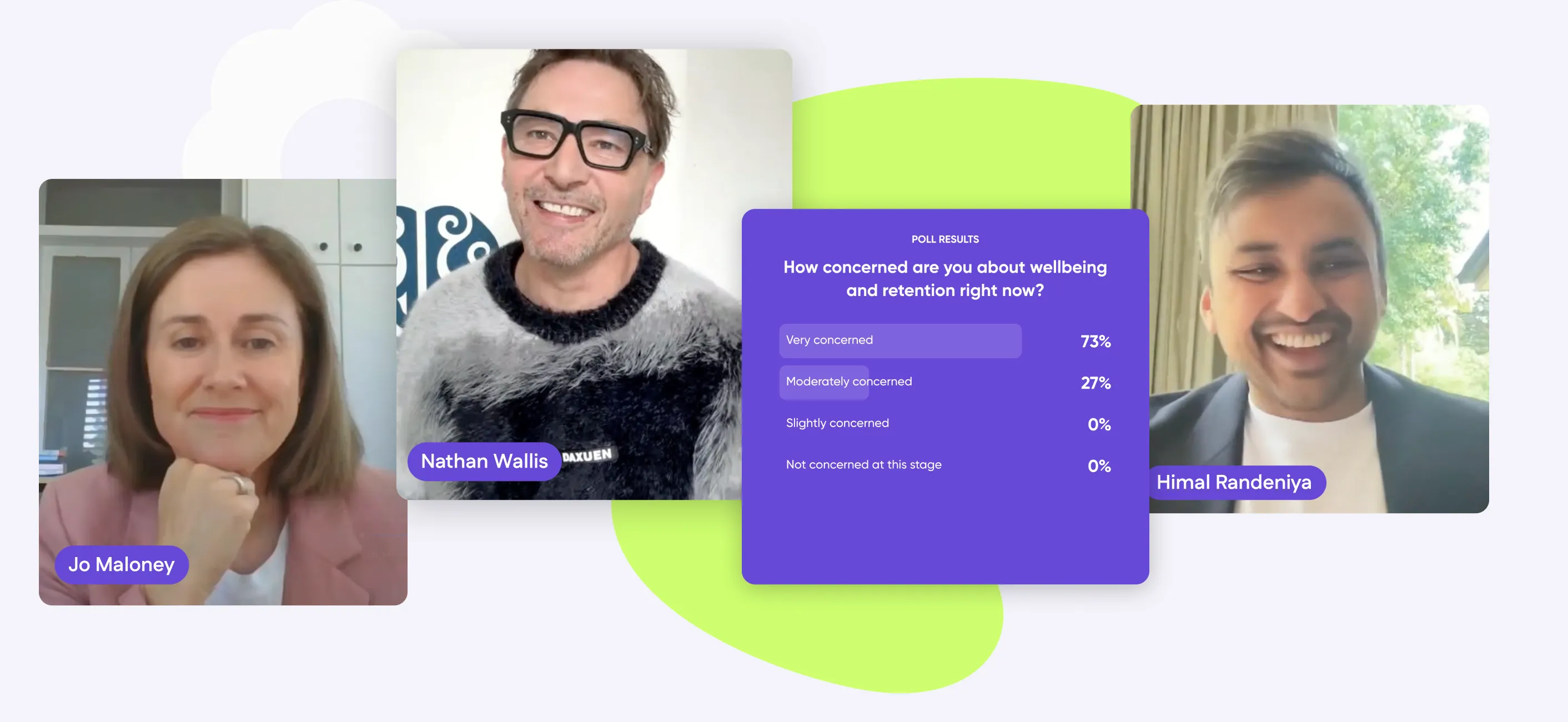
In a recent webinar, Himal Randeniya, Mana's CEO and ECE researcher, unpacked how work intensification is quietly draining the sector and what leaders can actually do about it.
The straw that broke the camel's back
If your role feels harder than it used to (and harder than it should be), that's not because you're less capable. It's because the role itself has fundamentally changed.
Work intensification isn't one overwhelming task. It's the accumulation of small additions over 30 years that creates an impossible workload.
Consider a centre manager's role three decades ago: basic program planning, simple risk assessments, core policies, maintenance records, standard excursion permissions. Now add working with children checks, national police checks, food safety certifications, responsible person documentation, expanded Regulation 168 policies, detailed risk assessments for nearly every activity, documented staff meetings with QIP integration, and comprehensive compliance tracking for 15-20 documents per staff member.
"We've just added small little bits to each zone of work over time," Himal explains. "Individually they don't sound like a lot, but when you stack them on, suddenly you have this huge workload."
The result? Research shows many centre managers and educators feel their roles are "unachievable to complete fully." This creates a constant state of compromise that erodes job satisfaction and drives people out of the sector. Educators feel this pressure too, often absorbing it quietly through unpaid hours and emotional labour.
What actually creates value in early childhood education
Here's the fundamental principle that gets lost in compliance anxiety: The value early childhood education creates comes from intentional relationships and interactions with children and families. Everything else is peripheral support work.
High-value work that improves child outcomes:
- Planning intentional learning experiences based on observation
- Building meaningful, responsive relationships with children
- Reflective conversations about child development
- Engaging families as partners
- Coaching and mentoring team members
Low-value work (necessary but doesn't directly improve outcomes):
- Reviewing documentation for spelling and formatting
- Manual data entry and compliance tracking
- Policy updates and compliance checking
- Repetitive form completion
Every hour spent formatting documentation is an hour not spent mentoring a graduate educator or deepening relationships with children. That's the real cost.
The problem? When compliance dominates, high-value work gets squeezed out. Educators review documentation at 9pm instead of planning rich learning experiences. Centre managers check working with children certificates instead of coaching staff on the floor. The work that lights people up (the reason they became educators) disappears under administrative burden.
"Every time an educator walks into a room with a child, they're changing the course of that person's life," Himal reminds us. "But we're not having those conversations. We're having conversations about missing observations and compliance gaps."
Learning from Norway: Restructuring roles
Norwegian early childhood services offer a proven model. They separate pedagogical leadership from administrative management entirely.
Centre leaders in Norway focus on coaching educators, leading quality improvement, and building community connections (often across two centres). They don't handle tour bookings, policy documentation, staff file management, or routine compliance checking. Administrative staff or developing two ICs handle that work.
"By reorganising the work, you get a centre manager who's not ground down replying to emails," Himal explains. "You get a role where they're actually inspiring practice."
For Australian services, this might mean hiring dedicated admin support, centralising policy review for multi-site operators, or reframing the centre manager role as pedagogical leader rather than operations manager. Yes, it costs money. But high turnover costs more: in recruitment, training, family relationships, and reduced quality during instability.
Technology that genuinely helps
AI offers powerful opportunities to automate administrative burden without replacing educators or compromising quality. Real examples from Australian services:
Policy review automation: One centre manager used AI to research regulation changes and suggest policy updates, reducing an 8-hour monthly task to 30 minutes of human review.
Documentation support: Services using AI for template formatting and developmental linking are saving educators 4+ hours weekly while maintaining or improving compliance.
Language refinement: AI reviews incident reports for professional language, with compliance officers approving suggestions. This removes the bottleneck without sacrificing quality.
The key principle: AI handles repetitive tasks that don't require professional judgment. Educators still observe children, make pedagogical decisions, build relationships, and create responsive environments. They just don't spend 40 minutes formatting templates or checking spelling before family updates.
Starting the conversation
For centre managers wanting to address workload with leadership, Himal suggests starting with shared goals: "We all want our centres to be the best in the area. We all want stable staff and excellent outcomes for children."
Frame it this way: "I believe spending more time on pedagogical coaching will create better outcomes for children and families, which drives occupancy and retention. To do that, we need to solve the administrative work differently. Can we problem-solve together?"
Then invite leadership to shadow you for a day. Direct observation creates empathy and partnership more effectively than explanation. They'll see the volume of interruptions, the time spent on administrative tasks versus pedagogical work, and opportunities for restructuring or automation.
Come prepared with specific solutions (administrative support roles, technology trials, or workflow changes), not just problems.
What to do now
If you're a centre manager:
Start by auditing where your time and your team's time actually goes. List all weekly tasks, categorise them as high-value (directly improves child outcomes) or low-value (necessary admin), and quantify the hours. Identify your top three low-value tasks consuming the most time, then explore technology or restructuring solutions for those specific areas.
If you're an approved provider or executive team member:
Spend a full day shadowing centre managers and educators. Map all tasks required in each role, identify what's grown in the last decade, and listen without defensiveness. Consider whether your current structure optimises for quality outcomes or just compliance management. The question isn't whether you can afford administrative support or automation tools. It's whether you can afford not to.
If you're a system leader or multi-site operator:
Look for opportunities to centralise low-value work. Policy reviews, compliance tracking, and staff file management don't need to happen at every site. Create shared administrative resources that free your centre managers to be pedagogical leaders, not operations managers. Start with one pilot site, measure the impact on retention and quality, then scale what works.
The early childhood sector does some of the most important work in society. 90% of brain development happens in the first five years, and quality early education provides a 17:1 return on investment for society. But we can't create those outcomes when passionate educators are buried in administrative work.
By systematically protecting time for what matters (the relationships and interactions that shape children's lives), we create conditions where educators thrive, children flourish, and the sector becomes sustainable for the long term.
Want to explore how technology can support your team's high-value work? Learn more about how Mana is helping services across Australia reduce administrative burden while improving quality outcomes.
Book a demo