Size
Oxanda Education: 18 Bluebird centres across VIC, NSW & QLD

Size
Oxanda Education: 18 Bluebird centres across VIC, NSW & QLD
Location
Clyde North, Melbourne
Team
90%+ educators from diverse linguistic backgrounds
Learn how to transform your centres with Mana
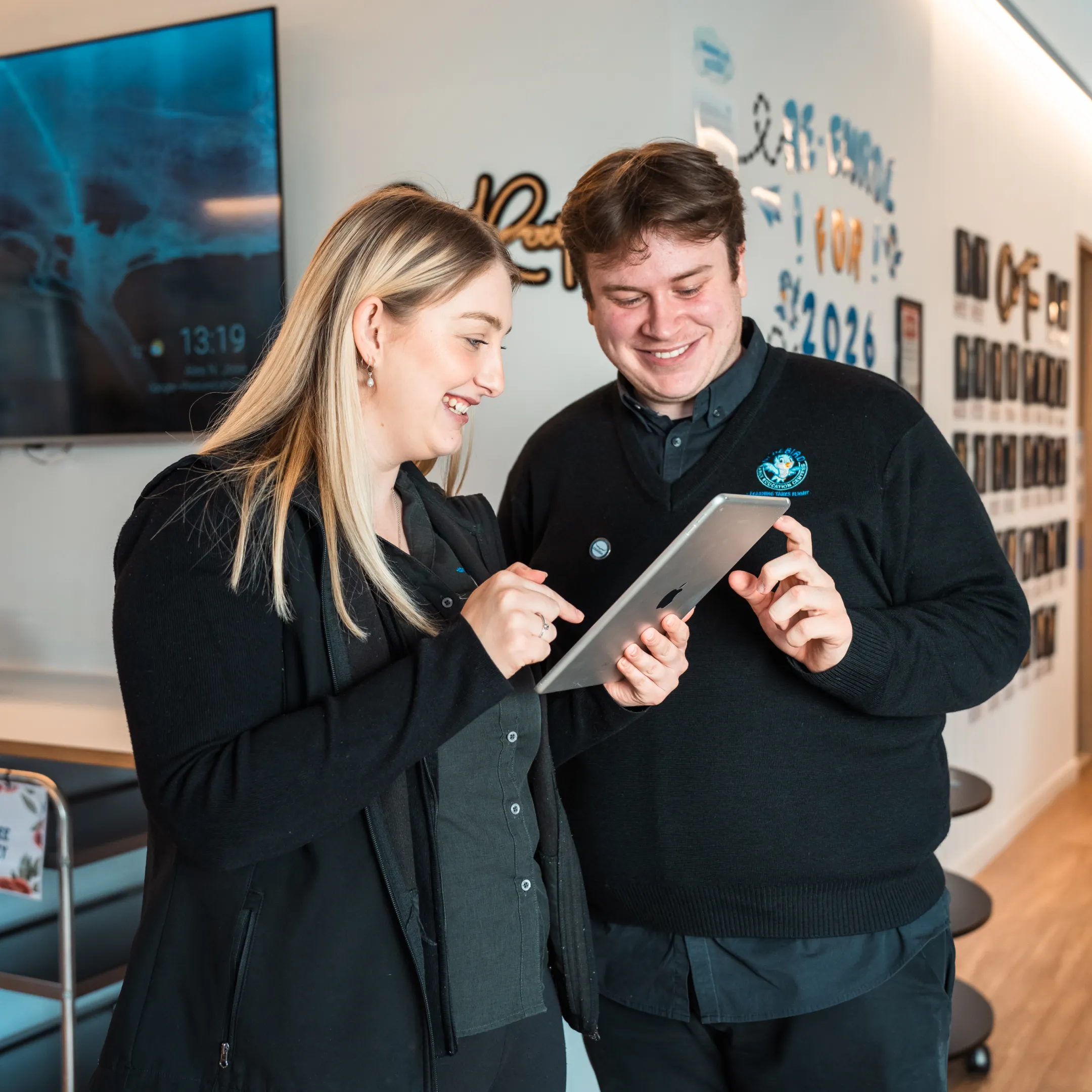
For Zachary and his team at Bluebird Clyde North, the documentation burden struck at the heart of their core value: connection with children.
With over 90% of educators speaking English as a second language, creating quality learning observations felt overwhelming. "I have around 40 children in total, so that means I have to create 40 times four per term," explains Praveena. "That's a lot of documentation."

Educators were stuck with iPads during precious contact time with children. Stress mounted over grammar and phrasing. Before Mana, Zachary found himself answering "a million questions a day about how do I do this? Or is this good enough? Is this written well?"
Most concerning, Caitlyn noticed that "a lot of educators lack confidence. They think they're not good enough." The documentation struggle was undermining the very professionals doing the most important work—nurturing young minds.

When Bluebird Clyde North implemented Mana, the difference became apparent almost immediately—but not in the way anyone expected. This wasn't just another efficiency tool; it was a platform that aligned with Oxanda's core belief that "learning transforms not only the individual but also those around, igniting a spirit of change.”
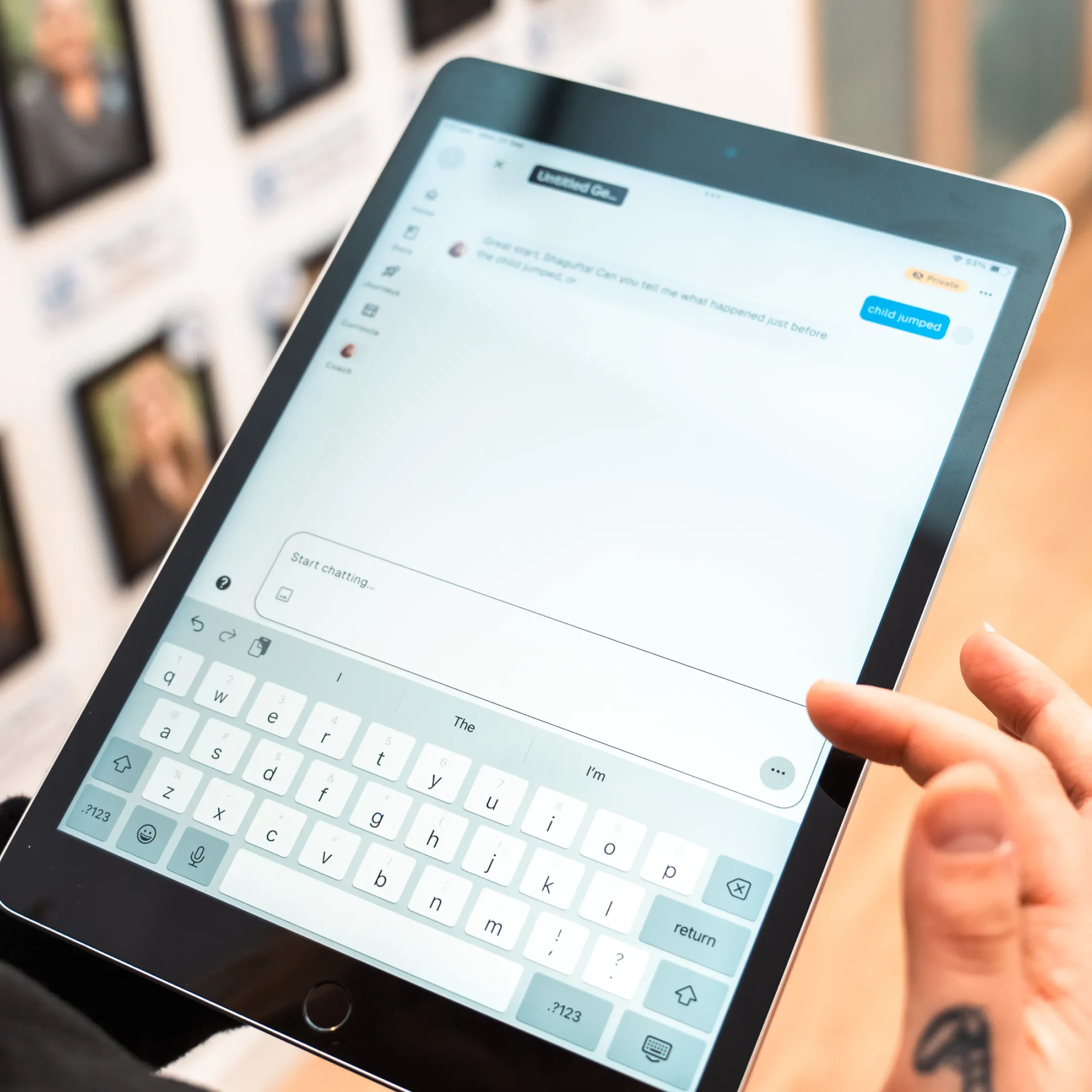
Educators could document in their own language, with Mana translating seamlessly into professional English. "You can just talk through Mana and then it will translate into English and it makes us sound more professional," Supa explains. For a multilingual workforce, this wasn't just convenient—it was transformative. It allowed educators to honour their own identities while elevating their professional voice.
This coaching approach addressed a critical concern: would AI lead to laziness, or build capability? When planning for a child's school transition, an educator might focus on fine motor skills. Mana suggests complementary activities that also support emotional regulation—like tracing along lines that can calm a child down. "I find that the educators learn as they go," Zachary notes.

Before Mana: Zachary answered endless questions about documentation quality.
After Mana: Educators learn as they document, building capability rather than dependency.
"We are confident that we can do on time all the paperwork because we can take help from Mana," Soobia says. "It always gives suggestions what to plan next and what could be the child's goal for the next term. "The platform integrated seamlessly into their existing workflows, working alongside their other systems rather than replacing them.
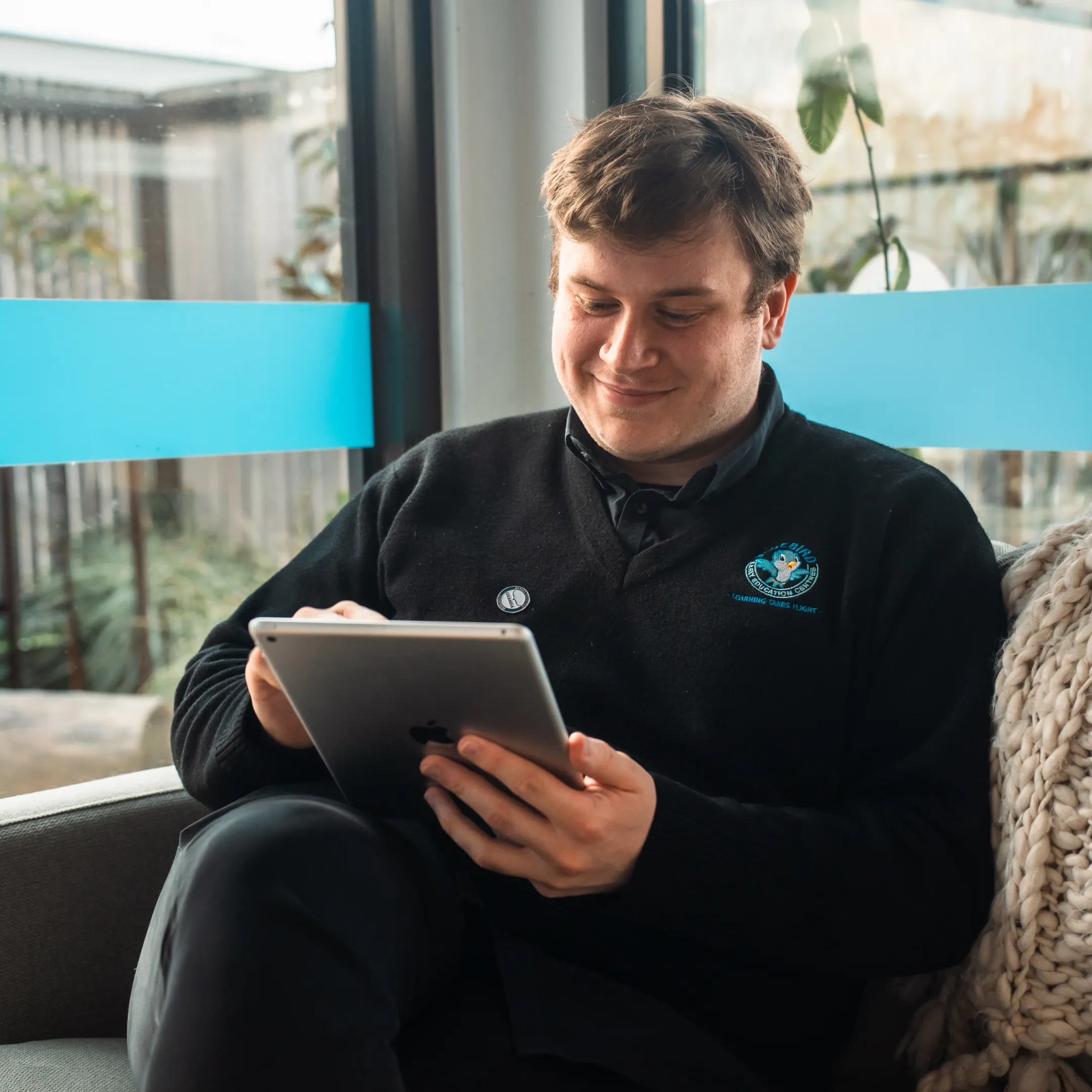
"We used to have a lot of educators who complained that they're doing so much work from home and their two hours a week isn't enough," Caitlyn recalls. "But since then, I don't really have any educators working from home anymore or having that stress, and they're able to relax, enjoy their social life, enjoy their family time."
Praveena confirms the shift: "We get more time to spend with the children. We don't have to stick with the iPad thinking and typing and thinking about grammar."
"Mana allows them to have confidence within themselves," Caitlyn observes. "Using Mana rebuilds their confidence that they can do this, they know how to do this, they're just as good as everyone else."
Before implementation, educator confidence in documentation was spread across the mid-range. After implementation, 64% rated their confidence as 7 or higher out of 10, with 26% reporting perfect confidence.
Soobia's sentiment captures this shift: "I feel like this is a very honourable job. I love my job."
A common concern with AI in education: will it reduce authentic connection with families?
The opposite happened. "I can see from an external view that parents actually are more involved in their learning," Caitlyn notes. "Because Mana explains the learning, explains where they should be at developmentally, parents are more inclined to make a comment."
The detailed, professional documentation changed parent perceptions. Supa had noticed that "some of the parents do think our profession is childcare. It's not a learning setting for our children, it's just looking after our children." The quality of documentation helped shift that view.
95% of educators surveyed said Mana helps them produce better outcomes for children. The platform enables more detailed developmental analysis, clearer connections to learning frameworks, and more thoughtful planning for each child's next steps.
The most telling statistic came from a simple question: "How disappointed would you be if Mana was no longer available?"
75% of educators said they would be disappointed or very disappointed, with 54% selecting the highest level of disappointment.
The journey from "I was scared" to "I'd be very disappointed to lose it" speaks volumes about the platform's impact on daily professional life.
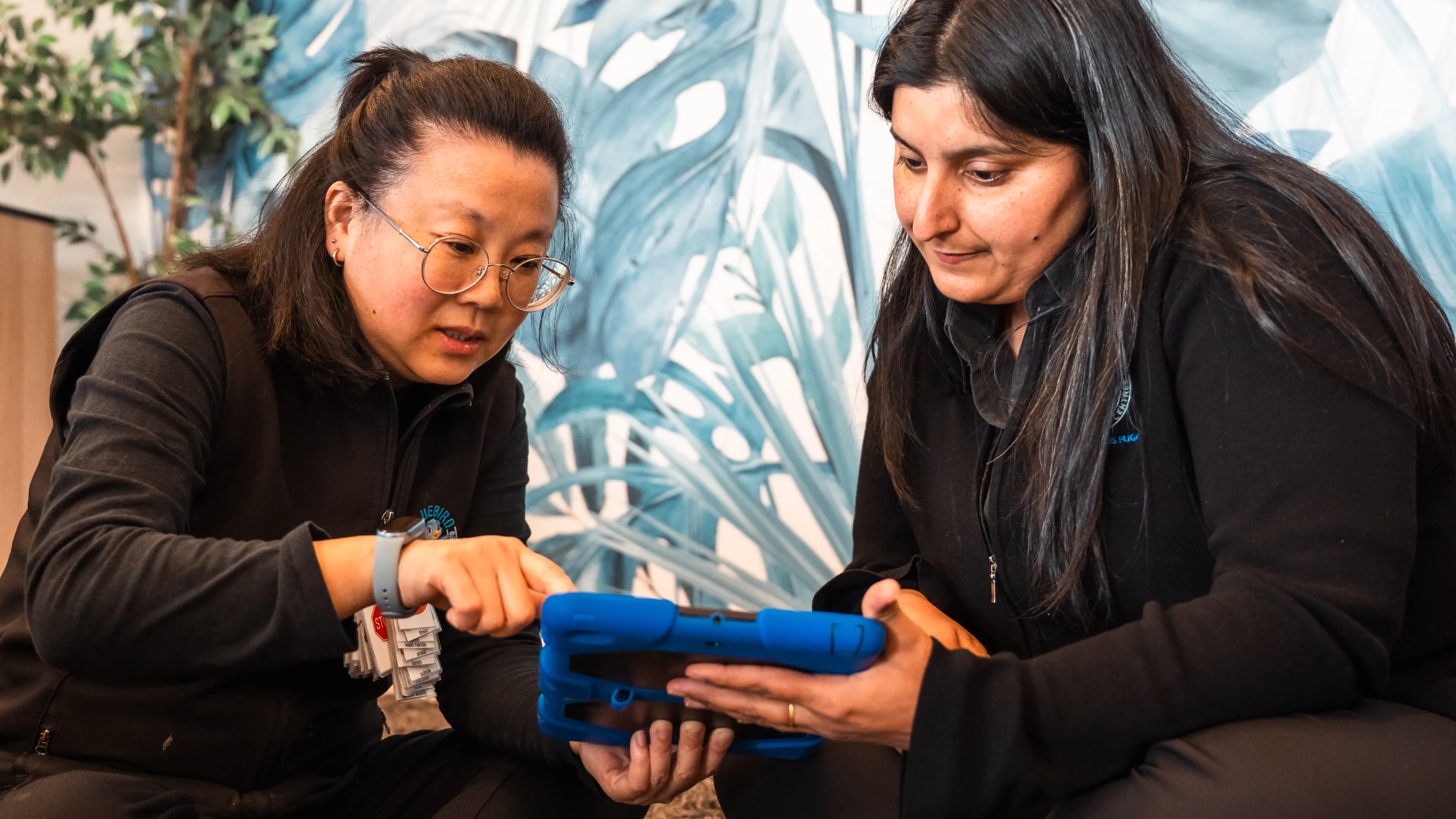
What started with apprehension has evolved into enterprise-wide adoption. For Oxanda Education's National Head, Rosina O'Brien, the decision to roll out across all 18 centres wasn't taken lightly. Operating centres across three states, with sensitive data about thousands of children, security and trust were paramount.
"Then I came to know that it's safe," says Soobia, reflecting a sentiment that resonated across the organisation.
The team at Bluebird Clyde North discovered a tool that honoured their expertise and embodied Oxanda's "WITH" philosophy—working alongside educators rather than replacing their professional judgement.
For early learning centres grappling with documentation demands, language barriers, or educator confidence, the Bluebird story offers a clear lesson: the right technology doesn't replace the human touch in education—it enhances it. It allows educators to focus on what drew them to the profession: igniting the spirit of learning in every child, while ensuring every learning journey is captured and shared with families.

Subscribe for Mana news, updates and tips
We respect your privacy. Unsubscribe any time.


